

What is Valhalla? Odin, Valkyries, and Viking warriors
Jose Antonio Carravilla BlancoTo die with a weapon in hand, to be chosen by the Valkyries and wake up in a huge hall beside Odin to drink, fight, and wait for the battle of the end of the world.
This is the popular image that has turned Valhalla into one of the most famous places in Norse mythology.
But the story is quite a bit more interesting. Not all Vikings went to Valhalla, not even all warriors who died in combat. And that enormous hall was not simply a Viking version of heaven.
So, what really was Valhalla? Who could enter? What did the warriors do there and what did Odin, the Valkyries, and Ragnarök have to do with it?
What is Valhalla?
Valhalla—Valhöll in Old Norse—was the great dwelling of Odin, intended for a portion of the warriors who fell in combat.
It was located in Asgard, the world associated with the principal gods of Norse mythology.
Medieval sources describe it as a gigantic hall completely linked to war: shields, spears, warriors, feasts, and preparation for a final battle.
The dead chosen to inhabit it were given the name einherjar.
But their stay there had a very specific purpose: Odin was gathering an army for Ragnarök.
Who was Odin and why was he gathering warriors?
Odin is one of the central figures of Norse mythology and is related to war, death, wisdom, magic, and poetry.
He was not simply a warrior god. A good part of his myths present a character obsessed with gaining knowledge and preparing himself for events that he knows will eventually come.
One of them is Ragnarök.
That is why the warriors of Valhalla were not there solely as a reward for having fought with bravery. They formed the army that would fight alongside Odin when the final battle arrived.
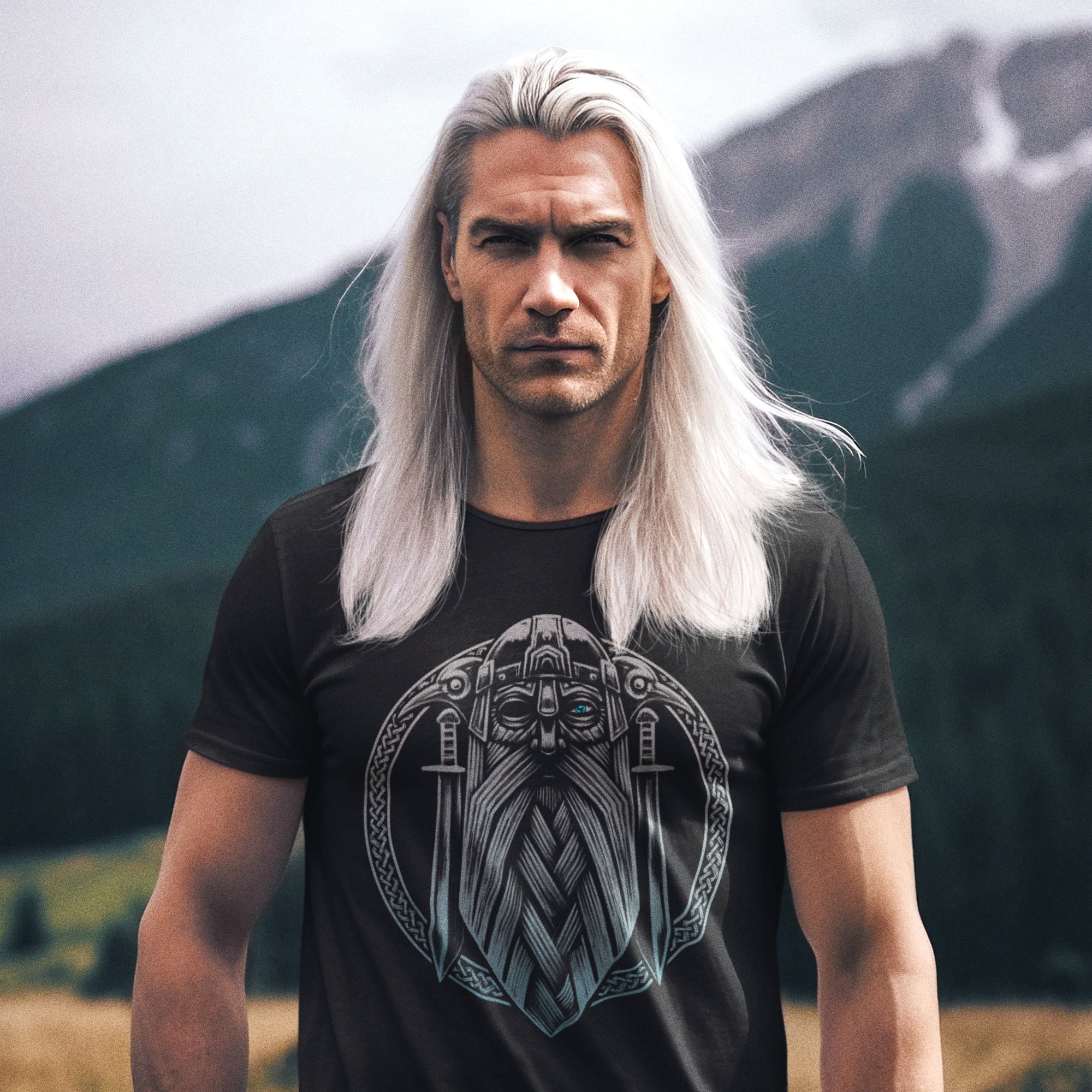
How did the warriors get to Valhalla?
Here appear some of the most famous figures of Norse mythology: the Valkyries.
Their name is related precisely to the choosing of the fallen, and, in Norse stories, they appear linked to the battlefield and to the warriors destined for Odin.
The popular image represents them as warrior women who ride across the battlefield and lead the dead heroes to Valhalla.
However, there is a detail that is often forgotten: Odin did not receive every dead warrior.
Did all Vikings who died in battle go to Valhalla?
No. This is probably one of the biggest modern myths about the Vikings.
In the poem Grímnismál, it is told that the goddess Freyja received half of those fallen in combat in Fólkvangr, while Odin received the other half.
Fólkvangr was Freyja's territory and contained its own hall, called Sessrúmnir.
Furthermore, Norse mythology contemplated other destinations for the dead. One of the most important was Hel, which should not be automatically confused with the hell of the Christian tradition.
There were also beliefs related to the dead who remained in their burial mounds or those who died at sea.
Therefore, Valhalla was not the universal destination of all Vikings after dying. It was only one of several possibilities within a much more complex system of beliefs about death.
What did the warriors do inside Valhalla?
The life of the einherjar did not exactly consist of resting.
The sources describe a routine very appropriate for warriors: each day they fought among themselves and each night they returned to the hall to celebrate a huge banquet.
After fighting, the warriors would gather again to eat and drink.
Among the most famous elements of these stories appear Sæhrímnir, a boar that provides food for the warriors, and Heiðrún, a goat associated with the mead that they drank in the hall.
All this training had an end goal.
The warriors of Valhalla were continuously preparing for Ragnarök.
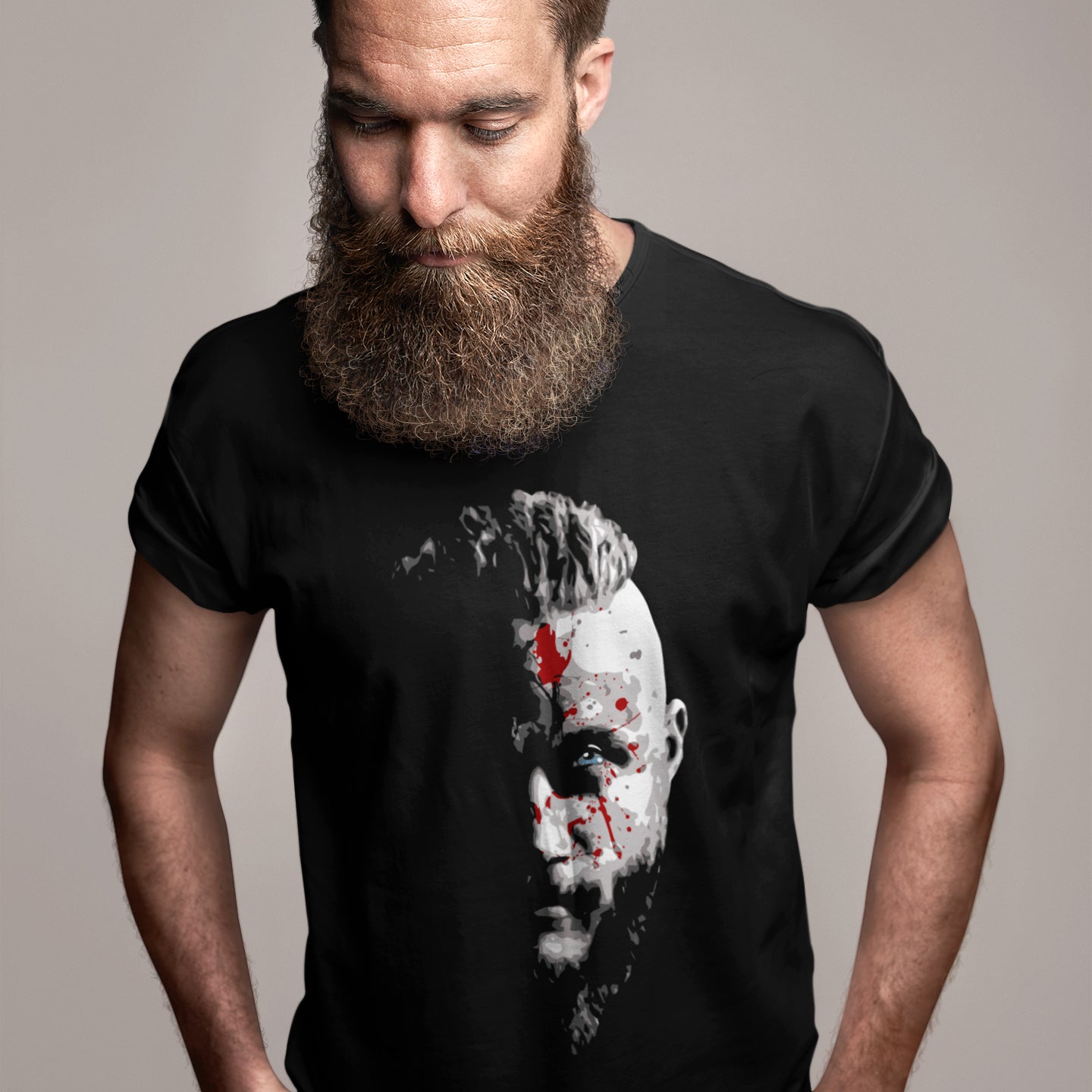
What was Valhalla like according to Norse mythology?
The preserved descriptions present a hall of almost impossible dimensions.
One of the best-known images speaks of a roof formed by shields and a structure related to spears and weapons, making it clear that even the architecture was linked to the world of warriors.
Valhalla is also attributed 540 doors.
The figure makes sense when Ragnarök arrives: according to the poem Grímnismál, 800 warriors will exit through each of those doors to fight.
More than describing a realistic building, these figures convey the idea of a gigantic army prepared over generations for the final battle.
What relationship exists between Valhalla and Ragnarök?
Ragnarök is one of the fundamental events of Norse mythology: a great battle that will pit gods and warriors against the forces that threaten the order of the world.
Odin knows the destiny that is approaching and knows that not even the gods will be able to fully escape from it.
That is where Valhalla comes into play.
During all that time, the einherjar have been fighting, dying symbolically, returning, and training for the moment when they have to leave the hall.
When Ragnarök arrives, they will fight alongside Odin and the gods.
That is why Valhalla was not simply a prize after death. It was also a huge preparation hall for the end of the world.
Was Valhalla the "Viking heaven"?
Describing it as the "Viking heaven" is convenient, but it oversimplifies Norse beliefs.
Christianity builds a well-known division between heaven and hell. The Norse vision of death that the sources transmit to us is different and contemplates several possible destinations.
Valhalla also had a function specifically related to Odin, the dead warriors, and Ragnarök.
That is why it is more accurate to understand it as Odin's hall for certain fallen in combat than as a universal paradise to which all Viking society aspired.
Do we know exactly what the Vikings believed about Valhalla?
Not completely.
A good portion of what we know about Norse mythology comes from works like the Poetic Edda and the Prose Edda, preserved in writing in Iceland during the Middle Ages based on earlier traditions.
This means that we should not imagine that all the inhabitants of Scandinavia shared a perfectly organized religion that was exactly the same throughout the Viking Age.
Beliefs could vary according to the era, the region, and local traditions.
Precisely for that reason, it is so interesting to compare Valhalla with Fólkvangr, Hel, and other destinations: they show that the Norse vision of death was quite a bit richer than the popular image of the Viking who simply waited to die fighting to enter Odin's hall.
From Viking mythology to popular culture
More than a thousand years later, Valhalla continues to be arguably one of the most recognizable Norse concepts in the world.
Odin, the Valkyries, the ravens, the Valknut, Yggdrasil, Mjölnir, and the very idea of Valhalla appear constantly in movies, series, video games, music, tattoos, and graphic design.
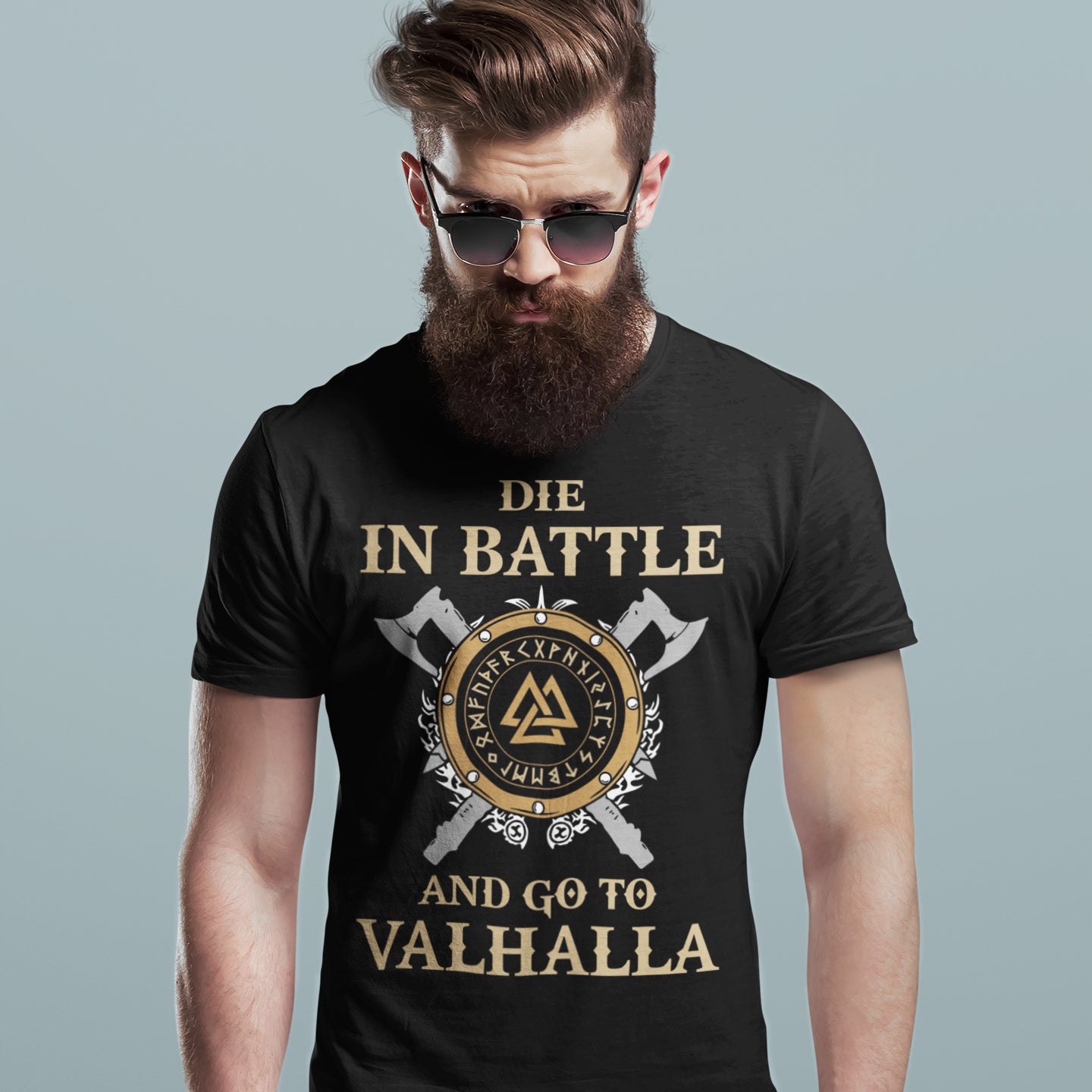
Expressions like "Victory or Valhalla" or "Die in Battle and Go to Valhalla" have turned that ancient image of the warrior chosen by Odin into a modern symbol of courage, struggle, and determination.
Behind that aesthetic, however, there exists a much more interesting mythology: a god preparing an army, Valkyries roaming the battlefields, warriors who fight every day, and a final destiny that not even the gods themselves can avoid.
If this whole universe attracts you, you can discover our Viking t-shirt collection, with designs inspired by Odin, Valhalla, Yggdrasil, the Valknut, Mjölnir, and other symbols of Norse mythology.