

What is quinqui cinema? Films, protagonists, and origins
Jose Antonio Carravilla BlancoChases in Seat 124 and 1430 cars, robberies, vacant lots, peripheral neighborhoods, rumba, heroin, and young people who seemed to be living out stories in front of the camera that were very similar to those outside of it.
Between the late 70s and mid-80s, a cinematic phenomenon emerged in Spain that would be difficult to repeat: the "cine quinqui" (delinquent cinema).
Films like Perros callejeros (Street Dogs), Navajeros (Knife-wielders), Deprisa, deprisa (Fast, Fast), and Yo, el Vaquilla (I, the Vaquilla) brought juvenile delinquency, marginalized neighborhoods, drugs, and a Spain in the midst of transformation to the screen.
But what exactly was *cine quinqui*? Who were El Torete, El Vaquilla, El Jaro, El Pirri, and El Lute? And why do those films continue to spark interest decades later?
What is *cine quinqui*?
*Cine quinqui* refers to a collection of Spanish films, especially popular between the late 70s and mid-80s, that focus on young people from peripheral neighborhoods, delinquency, drugs, prisons, reformatories, and social marginalization.
It can also be written as "cine kinki," although "cine quinqui" is the most widespread term used to describe this cinematic phenomenon.
It was not a genre with perfectly defined rules. However, many of its films shared elements like robberies, stolen cars, police chases, working-class neighborhoods, and one particularly unique feature: the frequent use of non-professional actors and youths from environments similar to those being portrayed on screen.
This made the boundary between fiction and reality, at times, surprisingly thin.
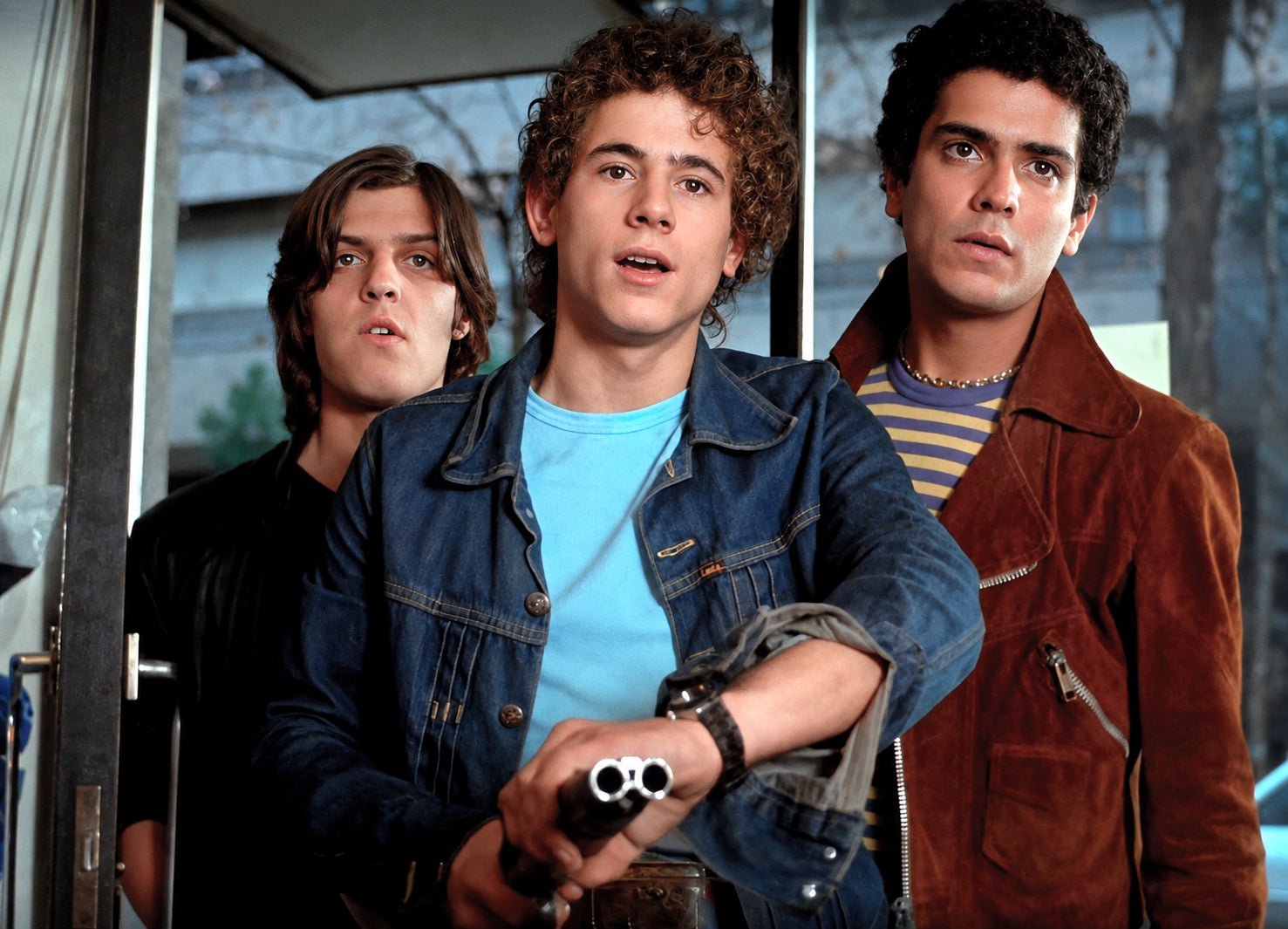
Why did *cine quinqui* appear during the Transition?
*Cine quinqui* cannot be understood without the Spain of those years.
Large cities had grown rapidly during the previous decades, and around Madrid, Barcelona, and other urban areas, peripheral neighborhoods emerged with stark inequalities and few opportunities for many young people.
Added to this context were youth unemployment, crime, and subsequently the spread of heroin.
At the same time, the press turned some young criminals into well-known figures. Nicknames like El Vaquilla or El Jaro appeared constantly in crime reports.
The film industry found there a mixture of social reality, action, tragedy, and characters that the public already recognized.
Perros callejeros: the beginning of *cine quinqui*
The great starting point is usually placed at Perros callejeros (1977), directed by José Antonio de la Loma.
The film was inspired by the world of juvenile delinquency in Barcelona and the escapades of Juan José Moreno Cuenca, "El Vaquilla."
But the person who ended up becoming its biggest face was Ángel Fernández Franco, "El Torete," a 17-year-old youth who would go on to be one of the greatest icons of the genre.
Perros callejeros mixed chases, robberies, and recognizable settings with performers very close to the environment it sought to portray.
Its success paved the way for new films and made José Antonio de la Loma one of the great names of *cine quinqui*.
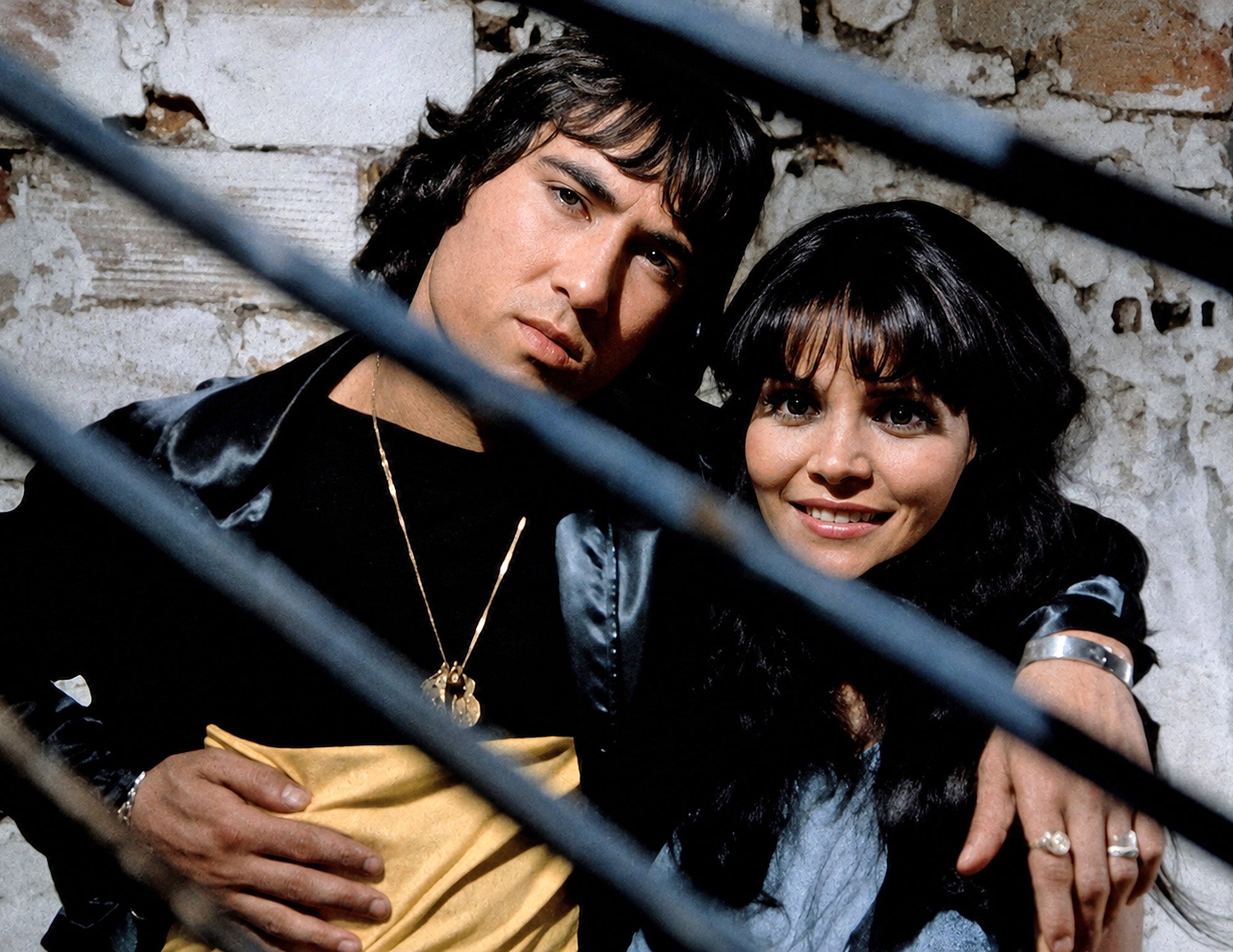
El Torete, El Vaquilla, El Jaro, El Pirri, and El Lute
A good part of the genre's appeal comes from its protagonists, some real and others transformed by cinema into genuine popular icons.
El Torete: Ángel Fernández Franco became famous starring in Perros callejeros and continued appearing in films by José Antonio de la Loma. His image became forever associated with cars, chases, and Barcelona's *cine quinqui*.
El Vaquilla: Juan José Moreno Cuenca was one of the best-known juvenile delinquents of the time. His exploits inspired part of Perros callejeros, and his life would eventually be taken directly to the cinema in Yo, el Vaquilla (1985).
El Jaro: José Joaquín Sánchez Frutos achieved great notoriety while still a teenager. His story inspired Navajeros (1980), directed by Eloy de la Iglesia and starring José Luis Manzano.
El Pirri: José Luis Fernández Eguia also debuted in Navajeros and ended up becoming one of the most recognizable supporting actors in Spanish cinema of the 80s. He later appeared in films such as Colegas or El pico II.
El Lute: Eleuterio Sánchez belongs to an earlier generation. His escapes and his confrontation with justice had already made him an enormously well-known figure during the 60s. His story reached the cinema later with El Lute: camina o revienta (1987), directed by Vicente Aranda.
That is why El Lute does not exactly belong to the original core of *cine quinqui*, but he shares with it themes such as marginalization, delinquency, persecution, prison, and the transformation of a real character into a popular legend.
José Antonio de la Loma and Eloy de la Iglesia
If two directors were particularly linked to the genre, they were José Antonio de la Loma and Eloy de la Iglesia.
De la Loma turned cars, getaways, and juvenile delinquency into action cinema tied to the reality of the street. To him, we owe essential titles like Perros callejeros or Yo, el Vaquilla.
Eloy de la Iglesia used that same world to delve deeper into marginalization, drugs, social inequality, and young people facing circumstances from which it was difficult to escape.
Navajeros, Colegas, and El pico are some of his titles most associated with the genre.
Also notable is Deprisa, deprisa (1981), by Carlos Saura, starring non-professional performers and winner of the Golden Bear at the Berlin Festival.
The essential films of *cine quinqui*
The boundaries of the genre are debatable, but these titles allow for an understanding of much of its history:
- Perros callejeros (1977), by José Antonio de la Loma.
- Perros callejeros II (1979), by José Antonio de la Loma.
- Navajeros (1980), by Eloy de la Iglesia.
- Los últimos golpes de El Torete (1980), by José Antonio de la Loma.
- Deprisa, deprisa (1981), by Carlos Saura.
- Colegas (1982), by Eloy de la Iglesia.
- El pico (1983), by Eloy de la Iglesia.
- Yo, el Vaquilla (1985), by José Antonio de la Loma.
- La estanquera de Vallecas (1987), by Eloy de la Iglesia.
To these, one can add El Lute: camina o revienta (1987) as a later film closely related to that same imagery of marginalization and delinquency.
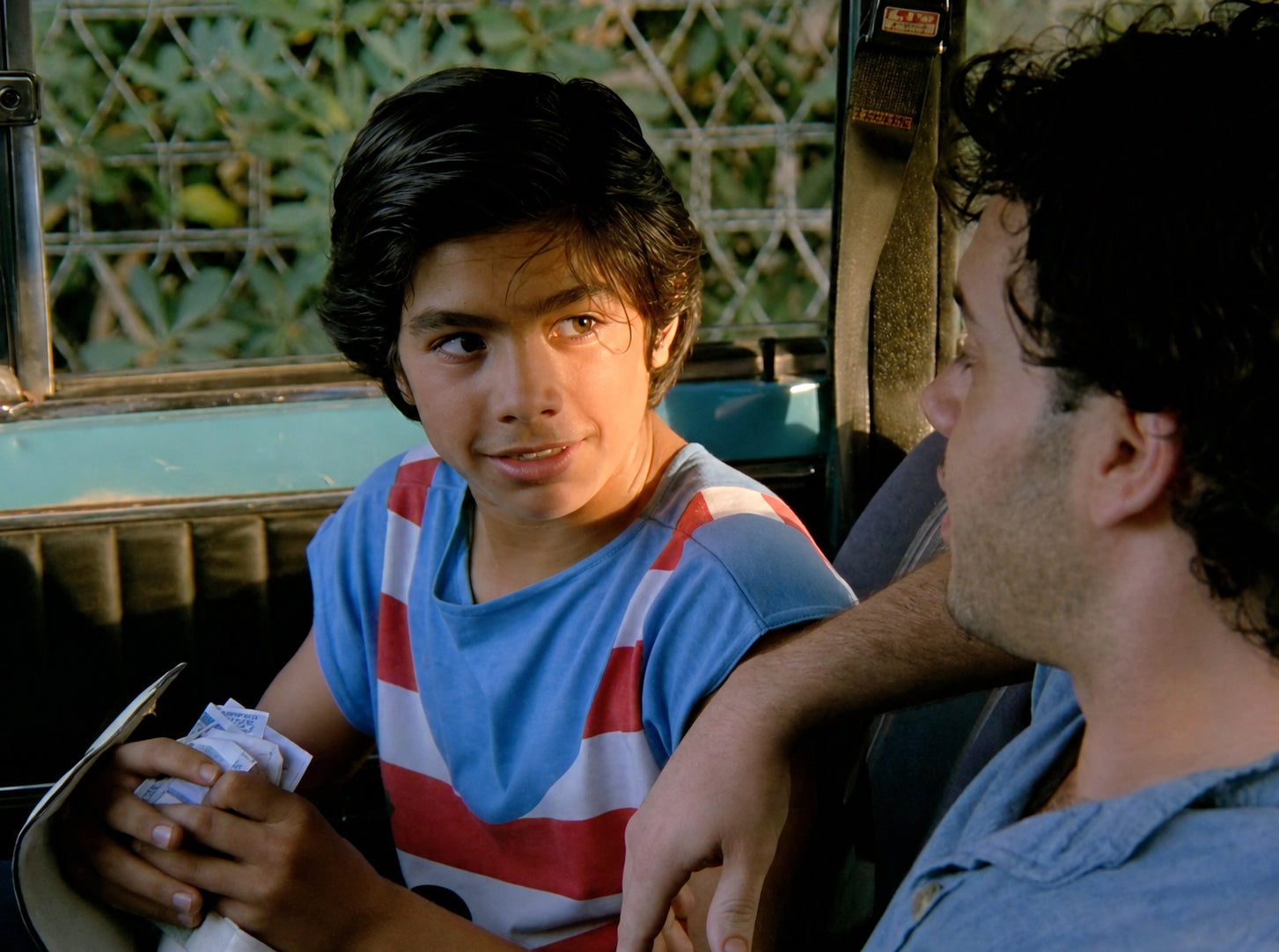
Cars and rumba: the aesthetic of *cine quinqui*
*Cine quinqui* also built an immediately recognizable aesthetic.
Seat 124, 131, or 1430 models, roads, housing blocks, vacant lots, bars, and peripheral neighborhoods appear again and again in its films.
These were not distant settings or luxury cars: they were the Spain that many viewers could encounter upon leaving the cinema.
Music completed this universe. Groups like Los Chichos and Los Chunguitos became closely associated with stories of prison, freedom, drugs, love, and life on the street.
One of the most remembered songs is Me quedo contigo, by Los Chunguitos, used in Deprisa, deprisa.
From *cine quinqui* to neo-quinqui
Although its golden age ended during the 80s, the influence of *cine quinqui* never completely disappeared.
Later films such as Siete vírgenes, Volando voy, Criando ratas, Las leyes de la frontera, or Mi soledad tiene alas have recovered the neighborhoods, delinquency, youth, and lack of opportunity in different ways.
Hence why the expression "neo-quinqui cinema" is currently used to speak of certain works that transfer part of that tradition to other eras and generations.
Why is *cine quinqui* still interesting?
Because those films have something that is difficult to reproduce: a tremendous sense of reality.
The settings were recognizable, many performers came from the street, and the stories were inspired by characters who also occupied the pages of the newspapers.
At the same time, the genre left behind images that today are part of Spanish popular culture: El Torete at the wheel, El Vaquilla turned into a legend, El Jaro traversing Madrid, the gaze of El Pirri, or the escapes of El Lute.

Its influence can currently be found in films, documentaries, rap, urban music, photography, design, and fashion.
But behind that aesthetic, there also existed poverty, exclusion, drugs, prisons, and real lives that in many cases had tragic endings. That context is precisely what makes *cine quinqui* something more interesting than a simple collection of criminal films.
At Siempre Original, we recover part of that imagery in our *Cine Quinqui* T-shirt collection, with designs inspired by characters and references from one of the most unique phenomena in Spanish cinema and popular culture.