

Where do the names of Madrid's neighborhoods come from?
Jose Antonio Carravilla BlancoMalasaña, Chueca, Lavapiés, La Latina, Carabanchel, or Vallecas. These are names that any madrileño recognizes immediately, but have you ever wondered where they come from?
Some commemorate historical figures. Others were born from squares, hospitals, or ancient villages. And in certain cases, their origin is so old that several theories still exist to explain it.
Furthermore, Madrid has another peculiarity: some of the areas we all call "barrios" (neighborhoods) do not exactly coincide with the official administrative districts. Malasaña, Chueca, Lavapiés, or La Latina are also popular names that have ended up imposing themselves in everyday language.
These are some of the hidden stories behind the names of the neighborhoods of Madrid.
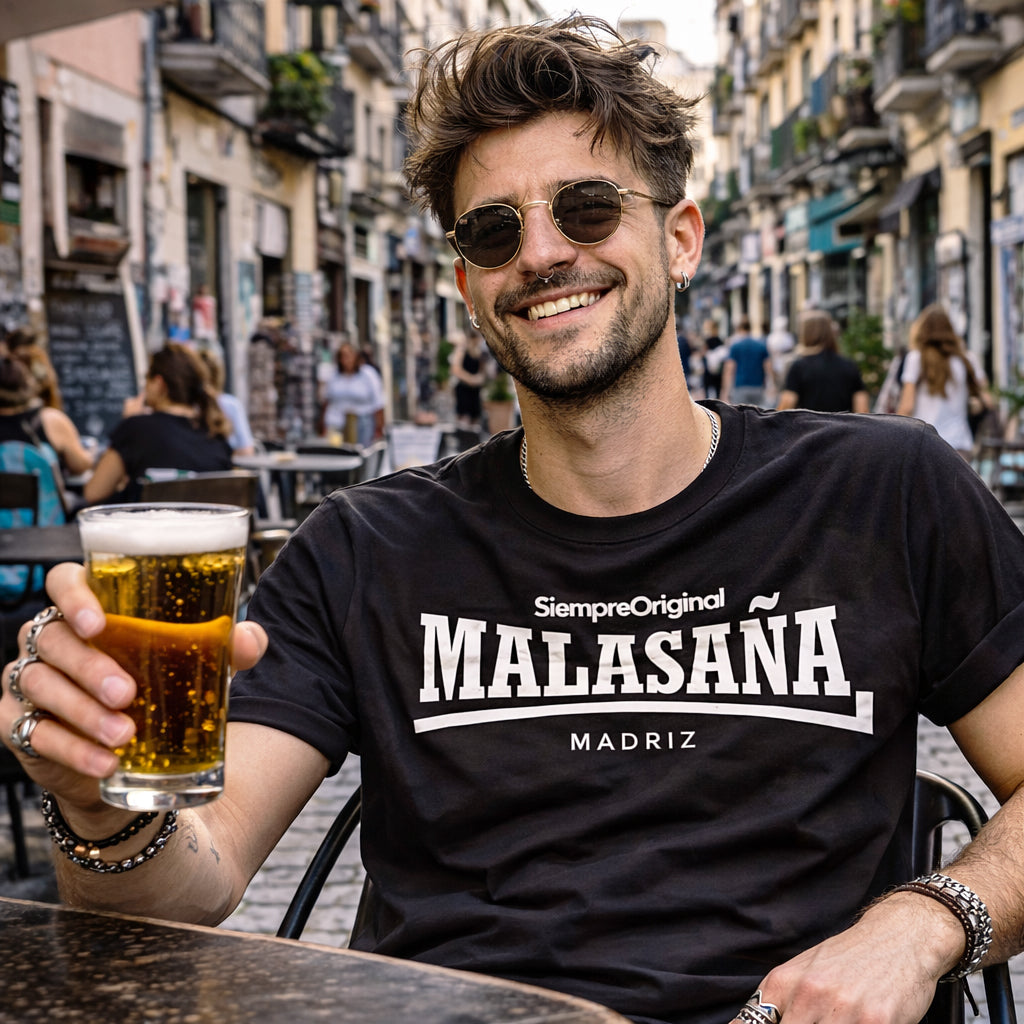
Why is it called Malasaña?
The name Malasaña commemorates one of the most well-known figures of the Madrid uprising against French troops on May 2, 1808: Manuela Malasaña.
Manuela was a young woman from Madrid who died during the repression following the uprising and ended up becoming one of the popular symbols of that day.
Her surname was incorporated into the street map via the Calle de Manuela Malasaña, and over time it also began to be used to identify the entire area around the Plaza del Dos de Mayo.
Curiously, Malasaña is not the official administrative name of the neighborhood. Much of the area belongs to the Universidad neighborhood, in the Centro district.
Before the current name became popular, the area was traditionally known as the Barrio de Maravillas, a name related to the old convent of Nuestra Señora de las Maravillas.
The change in the popular name summarizes the history of the place quite well: from Maravillas to Malasaña, and decades later, it became one of the great stages for the Movida Madrileña, alternative culture, and Madrid's nightlife.
Where does the name Chueca come from?
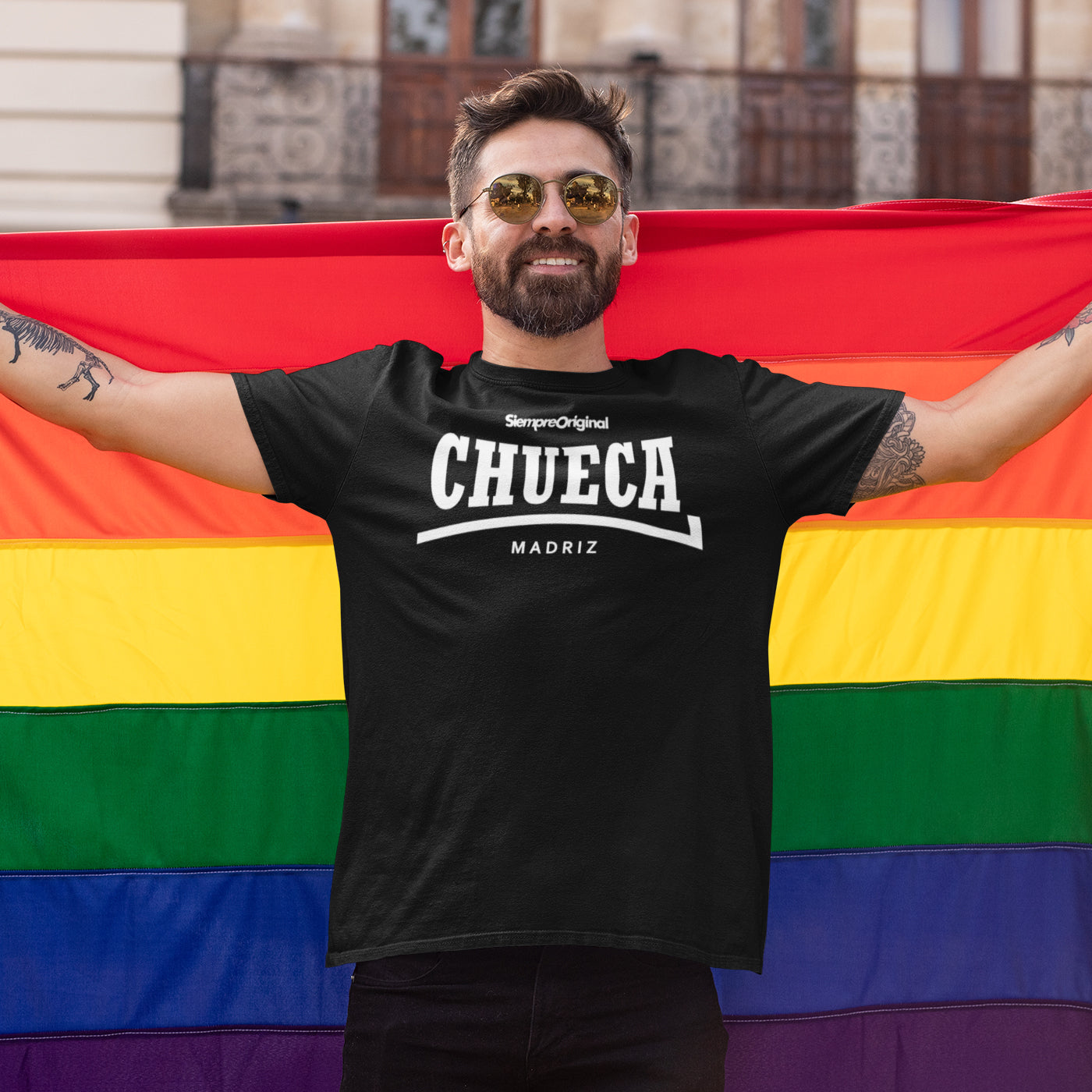
The name Chueca does not come from an ancient word or a geographical feature.
It comes from a person: Federico Chueca, a composer from Madrid born in 1846 and one of the great representatives of the zarzuela and the "género chico" (light musical comedy).
Among his works are titles closely related to popular Madrid, such as La Gran Vía or Agua, azucarillos y aguardiente.
In 1943, a small square in the Justicia neighborhood was officially named Plaza de Chueca in homage to the composer.
Later came the Chueca Metro station, and little by little, the name of the square ended up being used to designate the entire area.
Administratively, it is still part of the Justicia neighborhood, but Chueca has possessed its own identity for decades and is known internationally for its connection to the LGTBI community, Pride, and Madrid's cultural life.
Why is Lavapiés called Lavapiés?
This is one of the most curious names in Madrid and also one of those that generates the most legends.
The term Lavapiés has been documented at least since the 16th century, when it appears associated with a fountain located in the area.
From there, there are several theories about its origin.
The most well-known relates the name to the historical presence of a Jewish population and a supposed basin used to perform ablutions or wash feet.
Another explanation maintains that the name could refer to a wooded area whose "feet" (base/roots) were watered by small streams.
The problem is that none of these interpretations is completely proven.
Therefore, it is advisable to distinguish between history and popular tradition: the relationship between Lavapiés, the old Jewish quarter, and washing rituals is part of the most widespread story about the neighborhood, but other possible explanations for the toponym exist.
What we do know is that the name survived for centuries and ended up identifying one of the neighborhoods with the most personality in Madrid, currently integrated administratively into the Embajadores neighborhood.

Who gives the name to La Latina?
Unlike Lavapiés, here we know the origin perfectly well.
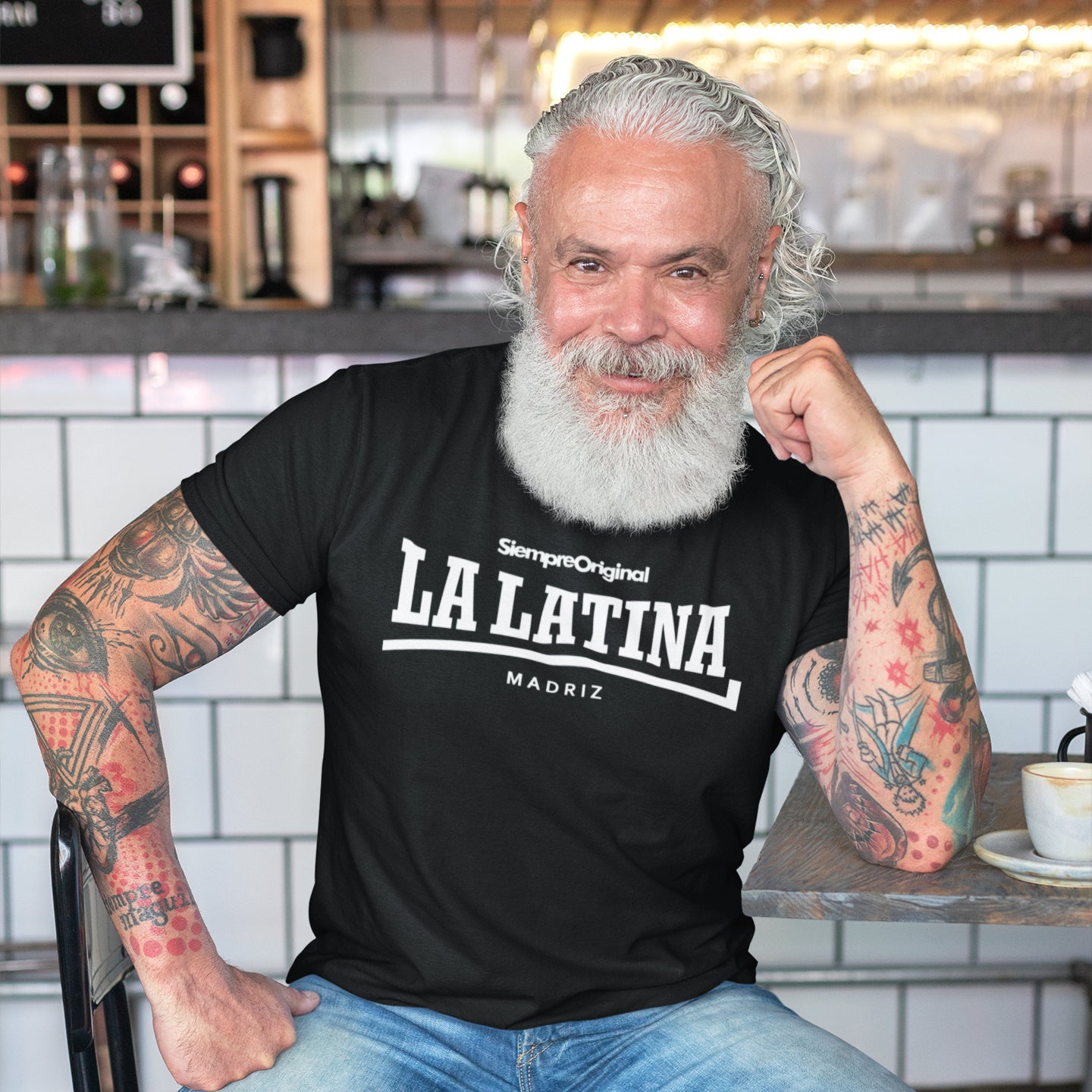
La Latina owes its name to Beatriz Galindo, one of the most cultured women in Spain in the late 15th and early 16th centuries.
Born in Salamanca, she stood out from a very young age for her mastery of Latin. That skill led her to be known simply as "La Latina".
Beatriz Galindo arrived at the court of the Catholic Monarchs and was a tutor and a close person to Isabella the Catholic.
Together with her husband, Francisco Ramírez de Madrid, she founded the Hospital de la Concepción de Nuestra Señora in the area near the current Plaza de la Cebada.
The people of Madrid began to popularly call it the Hospital de La Latina after the nickname of its founder.
The hospital ended up disappearing at the beginning of the 20th century, but its name survived and ended up identifying that entire area of central Madrid.
There is also an important curiosity: The La Latina of the city center and the Latina district are not exactly the same place, although both names are related to Beatriz Galindo.
Where does the name Carabanchel come from?
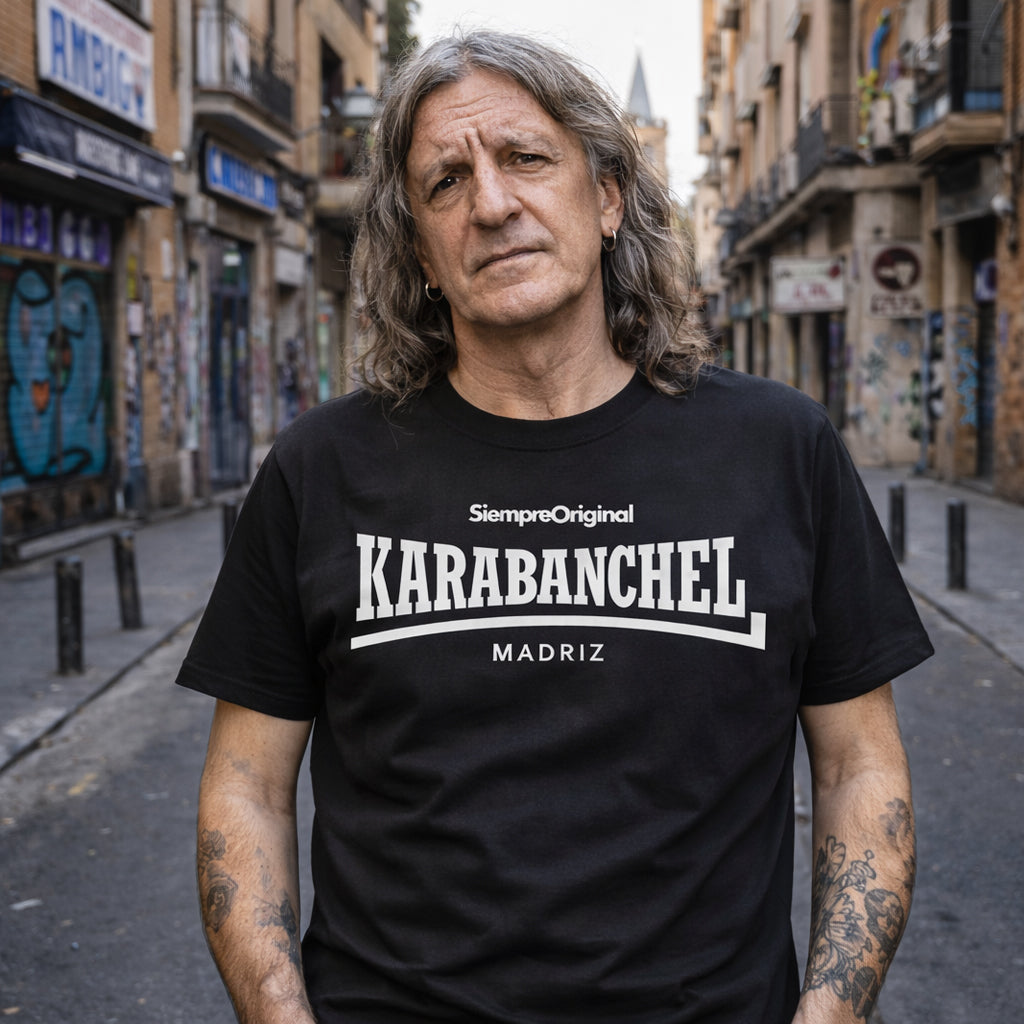
The origin of Carabanchel is much less clear.
Before becoming part of Madrid, there were two independent municipalities: Carabanchel Alto and Carabanchel Bajo. Both were incorporated into the capital in 1948.
But the toponym Carabanchel is much older, and there is no absolute consensus regarding its original meaning.
One of the traditional explanations relates it to the caravans that traveled through these lands near Madrid during the Muslim era.
A possible relationship with words linked to arable land has also been proposed.
Another theory connects it to garbanzal (chickpea field), due to the historical importance of chickpea cultivation in the area.
There are even proposals that relate the name to an ancient root whose meaning would be associated with stone or stony terrain.
The variety of hypotheses shows how complicated it can be to reconstruct a name used for centuries.
What is clear is that Carabanchel existed long before it became one of the great districts of Madrid, and its history includes archaeological remains, ancient villages, aristocratic estates, working-class neighborhoods, and a very strong local identity.
Where does Vallecas come from and why is it also spelled Vallekas?
The name Vallecas is much older than the current Madrid neighborhoods. One of its first documented references appears as "Balecas" in the Fuero de Madrid of 1202.
Its exact origin, however, remains debated.
A traditional explanation relates it to Vallis Egas, that is, "valley of Egas," a name that would have belonged to the owner of an ancient farmhouse in the area.
There is also the famous legend of the "Valle de Kas," according to which a Muslim named Kas lived in these lands and gave his name to the valley. Although this story has been repeated for generations, it is not sufficiently documented to be considered the certain historical origin of the toponym.
Another linguistic hypothesis proposes that Vallecas could come from an ancient form of Andalusian Romance, balláykas, which would mean something like "valley areas."
What we do know is that Vallecas was an independent municipality for centuries and did not become part of Madrid until 1950.
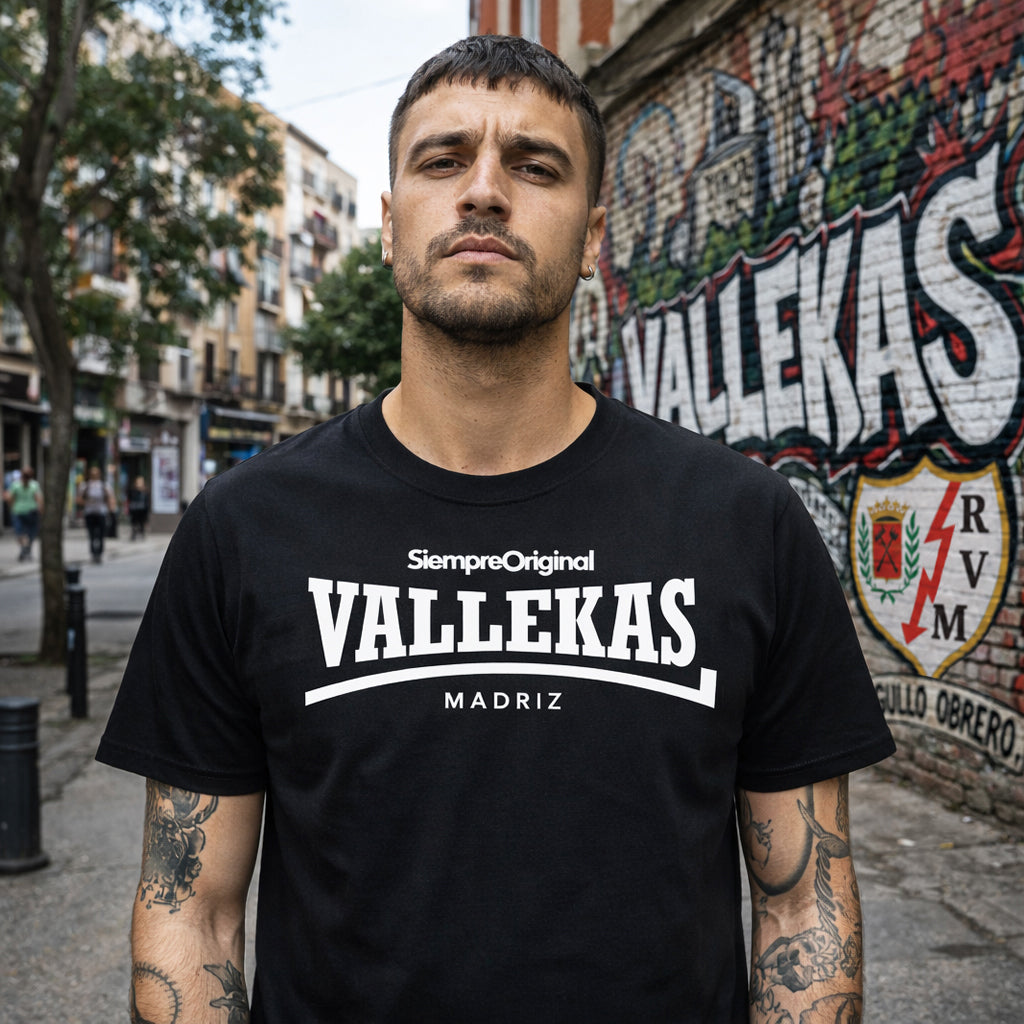
Why, then, do we see Vallekas written with a K?
The K is much more recent and is not part of the official spelling. It became popular especially during the last decades of the 20th century, linked to the working-class, neighborhood, musical, and countercultural life of the area.
Rock, punk, youth movements, neighborhood collectives, and later alternative scenes used the K as a graphic element of rebellion and unique identity.
From there, names like Radio Vallekas, Vallekas Rock, or Tele K emerged.
Over time, Vallekas stopped being just an alternative way of writing Vallecas and became a way of expressing neighborhood pride and identity.
The neighborhoods of Madrid also tell their story through their names
The names of the neighborhoods function almost like little capsules of history.
Malasaña remembers the May 2nd uprising. Chueca, a zarzuela composer. La Latina, a Renaissance humanist. Lavapiés preserves a toponym whose exact meaning still generates debate, while Carabanchel carries a name so old that several theories exist to explain it.
And Vallecas shows that names can also be transformed from the bottom up: Vallekas turned a simple "k" into a symbol of culture, neighborhood, and attitude.
That is why a neighborhood is much more than just streets outlined on a map. It is also history, memory, language, and a sense of belonging.
At Siempre Original, we have taken that very idea to our collection of Neighborhood and City t-shirts, with designs inspired by places like Malasaña, Lavapiés, La Latina, Chueca, Vallekas, and Karabanchel.