

DTG vs. screen printing: differences, advantages, and durability
Jose Antonio Carravilla BlancoWhen you buy a graphic t-shirt, you probably notice the design, color, or fabric first. But there is another element that has a huge impact on the final result: the technique used to print it.
Two of the most well-known are DTG (Direct to Garment) printing and screen printing.
Both can produce high-quality t-shirts, but they work in completely different ways. This affects the detail, colors, feel, durability, cost, and the number of units that make sense to produce.
So, which is better: DTG or screen printing? The answer depends primarily on the design and the type of production.
What is DTG printing?
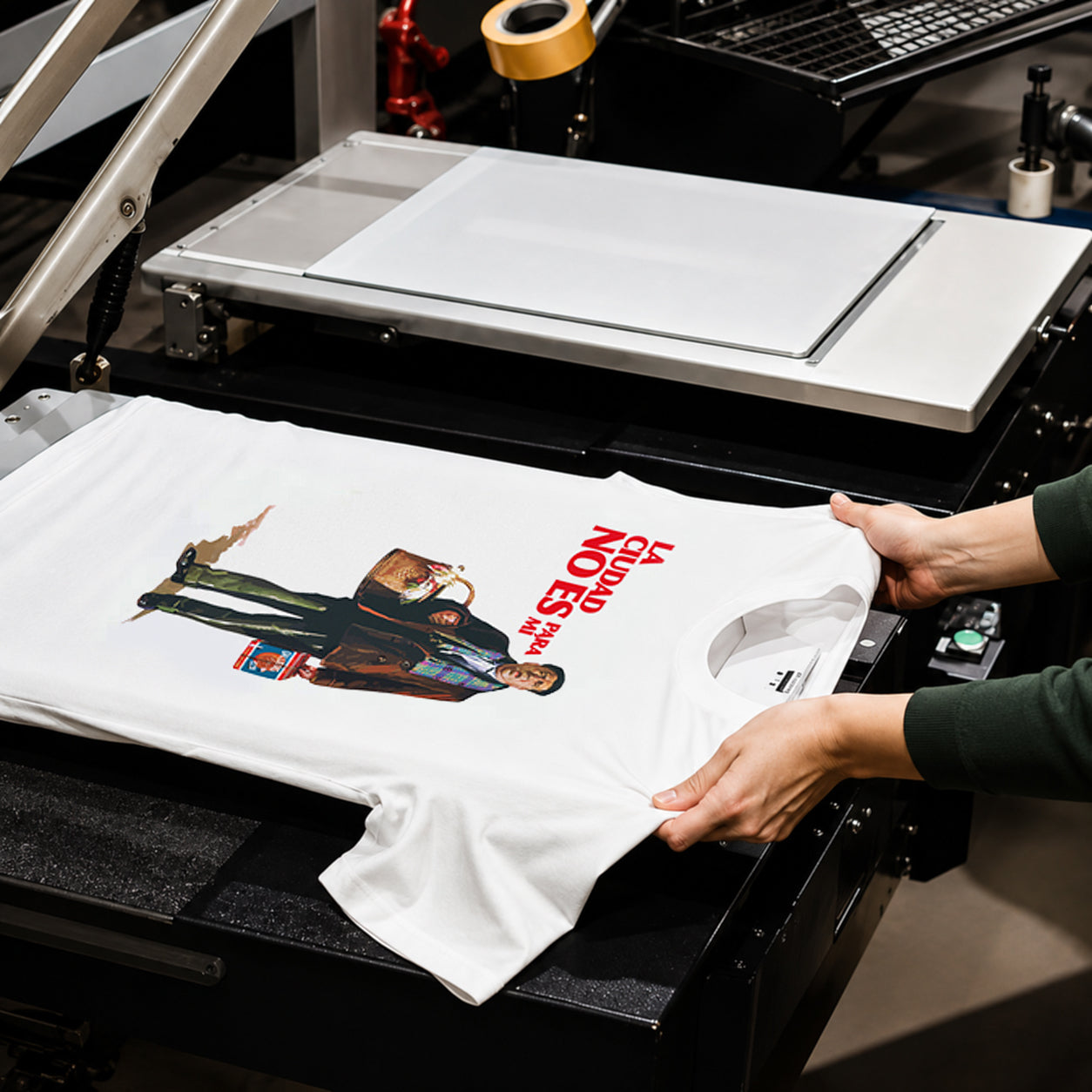
DTG stands for Direct to Garment, which means printing directly onto the garment.
In simple terms, it works much like a high-precision digital printer: the design is printed directly onto the fabric using textile inks.
This allows for the reproduction of illustrations with many colors, gradients, shadows, textures, and fine details without the need to prepare a different screen for each color.
That is precisely why DTG printing is especially interesting for graphic t-shirts, complex illustrations, photographs, and designs with numerous colors.
What is screen printing?
Screen printing is a much older printing technique that uses a mesh or screen to transfer ink onto the t-shirt.
Each color in the design usually requires its own screen and a separate printing phase.
This implies greater initial preparation, but once the screens are created, it is possible to print large quantities of t-shirts very efficiently.
This is why screen printing remains especially popular for large runs and relatively simple designs with few colors.
DTG vs. screen printing: what is the main difference?
The fundamental difference lies in how the design is transferred.
In DTG, a digital printer deposits the ink directly onto the garment.
In screen printing, the ink is applied by passing through a screen specifically prepared for each part of the design.
This causes significant differences:
| Feature | DTG | Screen printing |
|---|---|---|
| Complex designs | Excellent | More laborious |
| Many colors | Very suitable | Each color can add complexity |
| Gradients and photographs | Excellent reproduction | Require specific techniques |
| Small runs | Very suitable | Less efficient |
| Very large runs | Possible | Especially efficient |
| Personalization | Very simple | More complicated |
| Feel | Generally soft | Depends a lot on the ink and layers used |
Which technique reproduces detail better?
This is where DTG printing has one of its greatest advantages.
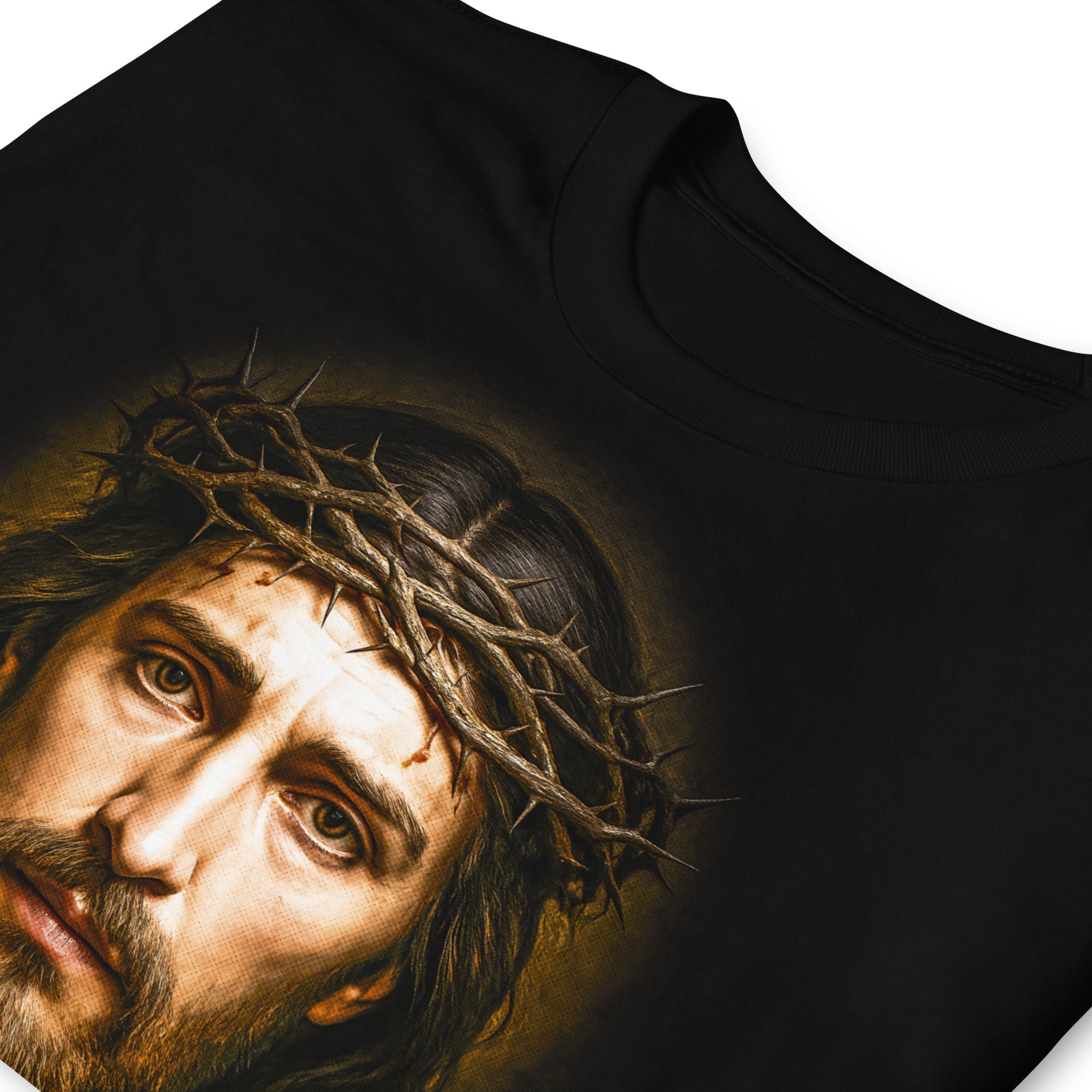
By working digitally, it can reproduce fine lines, shadows, gradients, textures, and numerous colors within the same illustration.
This makes it an especially suitable option for complex designs.
An illustration with portraits, distressed effects, shadows, highlights, or dozens of tones can be printed directly without having to manually separate each color onto a different screen.
Screen printing can also achieve extraordinary results, but the more complex the design and the higher the number of colors, the more complex the preparation process also becomes.
Which has better colors: DTG or screen printing?
Both techniques can produce intense colors when used correctly.
Screen printing is especially good for achieving flat, solid, and very intense colors.
DTG stands out when we need to combine many tones, gradients, and transitions within the same design.
The technology used also matters greatly. Current professional DTG printers are far removed from the first generations of direct-to-garment printing.
Modern industrial equipment can achieve a wide color gamut, good opacity, and a very accurate reproduction of the original design.
Which lasts longer: DTG or screen printing?
This is probably the most common question.
There is no universal number of washes for either technique because the durability depends on the ink, the machinery, the fabric, the curing process, and, above all, how the t-shirt is washed and dried.
A professionally executed screen print can be extremely resistant and has traditionally stood out for its durability, especially in simple designs with solid colors.
But a quality industrial DTG print is also designed to maintain color and detail after numerous washes.
The difference is that not all DTG necessarily offers the same result. A basic printer and a state-of-the-art industrial installation do not work with the same technology, inks, or processes.
That is why it is more accurate to compare the specific quality of the printing system than to assume that one technique will always be more durable than the other.
Does DTG printing crack?
A quality DTG print should not behave exactly like a thick plastic layer placed on top of the t-shirt.
The water-based textile inks used in professional systems are designed to integrate with the fabric and maintain flexibility and a pleasant feel.
This can reduce the sensation of a rigid print and the risk of large cracks characteristic of certain types of surface printing as they age.
However, no print is indestructible. Excessive temperatures, very hot tumble drying, ironing directly over the design, or using harsh products can accelerate its deterioration.
That is why t-shirt care continues to be essential regardless of the technique used.
Which has a better feel?
The feel also depends on the inks, the fabric, the design, and the amount of ink required.
One of the usual advantages of DTG is achieving soft and flexible prints, especially on cotton t-shirts.
Screen printing can also offer an excellent feel, but some systems create a more perceptible layer of ink on the surface of the t-shirt.
This is especially noticeable in large, completely solid prints.
Therefore, if you are looking for a complex illustration to retain a relatively light and flexible feel, DTG may be especially interesting.
Which technique is better for printing a few t-shirts?
Here appears another of the great advantages of digital printing.
In DTG, it is not necessary to manufacture different screens before starting production.
This allows printing a single t-shirt or small quantities of a design without having to perform a large print run.
Screen printing needs greater initial preparation. Therefore, the higher the number of identical units that are printed, the more economic sense it may make.
We could summarize it like this:
DTG → flexible production, different designs, and small or on-demand runs.
Screen printing → especially efficient for large runs of the same design.
Why does DTG work so well for on-demand printing?
Because it allows producing a t-shirt when an order actually exists.
There is no need to pre-print hundreds of units of each design trying to guess which ones will sell.
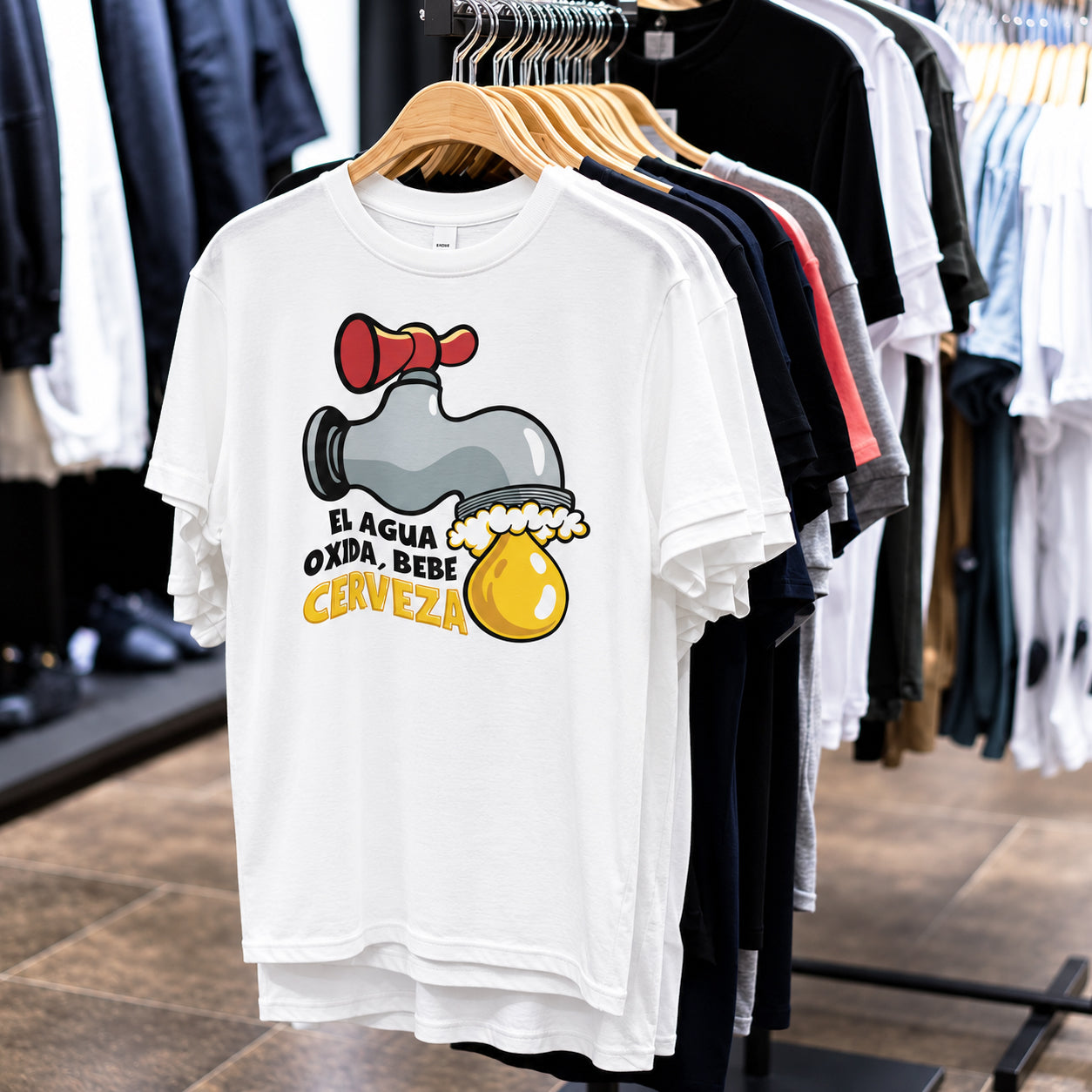
This is especially important in stores with extensive catalogs, where designs from movies, series, music, pop culture, humor, art, or very different styles can coexist.
On-demand production allows maintaining that variety without needing large quantities of already manufactured and stored product.
It also reduces the risk of ending up with surpluses of designs or sizes that do not eventually sell.
Is DTG more sustainable than screen printing?
It cannot be stated that one technique is automatically sustainable in any circumstance. It depends on the inks, the machinery, the consumption of resources, the production process, and the quantity of garments that are eventually used.
However, DTG can provide some advantages within an on-demand production model.
By being able to produce only the garments that have been requested, the need to manufacture large quantities in advance and the risk of generating excess stock are reduced.
In addition, there are DTG systems that use water-based pigmented inks and processes developed specifically to reduce the impact of textile printing.
Which printing system do we use at Siempre Original?
At Siempre Original, we use professional DTG printing for our designs.
We work with state-of-the-art Kornit Atlas Max industrial equipment and NeoPigment™ water-based inks, developed specifically for Kornit's textile printing systems.

These inks are designed to achieve vivid colors, good definition, flexibility, and wash resistance, characteristics especially important in graphic t-shirts with detailed illustrations.
In addition, the inks and products used by Kornit have international standards and certifications such as OEKO-TEX® ECO PASSPORT, related to chemical safety and responsible textile production.
This allows us to combine on-demand printing, designs with numerous colors and detail, and production more closely aligned to the units that are actually sold.
If you want to know more about how we work and the measures applied to our production, you can consult our Sustainability page.
DTG vs. screen printing: which is better?
No technique is better in absolutely every situation.
Screen printing continues to be an extraordinary option when we need to produce large quantities of the same design, especially if it uses few colors and solid shapes.
DTG is especially interesting when we need many colors, gradients, complex illustrations, small runs, personalization, or on-demand production.
Therefore, rather than asking which is better, it is worth asking:
which technique is better for this design and this way of producing?
In our case, a catalog made up of numerous different illustrations, colors, and references fits especially well with direct-to-garment printing.
And that is precisely what we are looking for: being able to turn every digital design into a t-shirt with good definition, vivid colors, and a print prepared to accompany the garment for many washes.