

How to Wash and Dry Your T-Shirts So They Last Longer: Essential Tips.
Jose Antonio Carravilla BlancoDo you want your favorite t-shirts to maintain their vibrant prints and colors, their original shape, and the soft feel they had on day one? The secret lies in proper washing and drying. A suitable care routine can surprisingly extend the life of your garments. Here are the essential tips!

1. Sort by Color and Fabric
This is the ABCs of laundry. Separate white clothing, light colors, and dark colors. This reduces the risk of intense colors bleeding onto light garments.
It is also advisable to separate delicate items, such as silk or fine wool, from more durable t-shirts to avoid unnecessary friction and damage.
2. Turn T-Shirts Inside Out
This tip is especially important if they have prints, embroidery, or appliqués. Washing the t-shirt inside out helps protect the design from friction with other garments and the washing machine drum.
It also helps to preserve the colors and the surface of the print for longer.
3. Use Cold Water or Low Temperature
High temperatures can promote shrinkage, accelerate color loss, and deteriorate certain types of prints.
Cold water (20-30 °C): this is a good option for most t-shirts and helps better preserve size, color, and prints.
Warm water (30-40 °C): can be useful when the garment needs a deeper clean, provided the care label allows it.
The t-shirt's label should always be the main reference for choosing the right temperature.
4. Choose the Right Detergent
Using the correct detergent is important, but so is not using more than necessary.
Mild detergent: opt for formulas suitable for colored clothing and avoid harsh products when not necessary.
Liquid detergent: it dissolves easily and can be practical for low-temperature washes.
Be careful with bleach and other harsh products: they can affect colors, fibers, or certain prints. Use them only when appropriate for the garment.
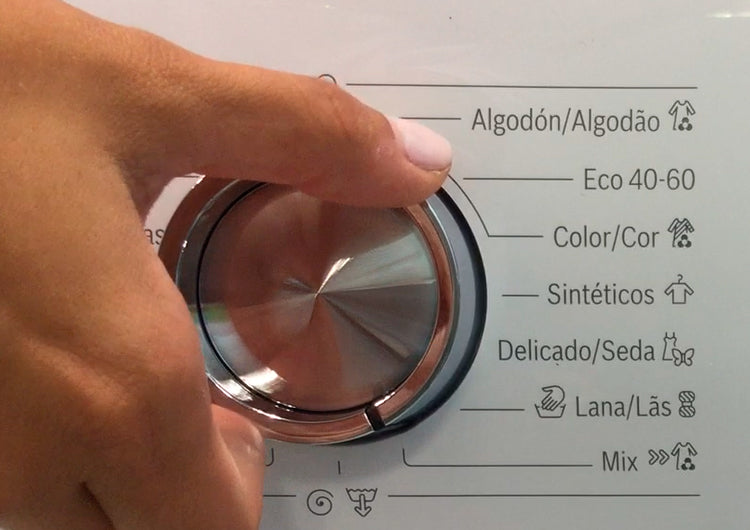
5. Use a Delicate or Short Wash Cycle
An overly intense program can increase friction and wear on fibers and prints.
Delicate cycle: uses less agitation and usually a gentler spin, making it suitable for many t-shirts.
Short cycle: if the t-shirt is barely dirty, it may be enough and reduces the time the garment is subjected to friction.
6. Do Not Overload the Washing Machine
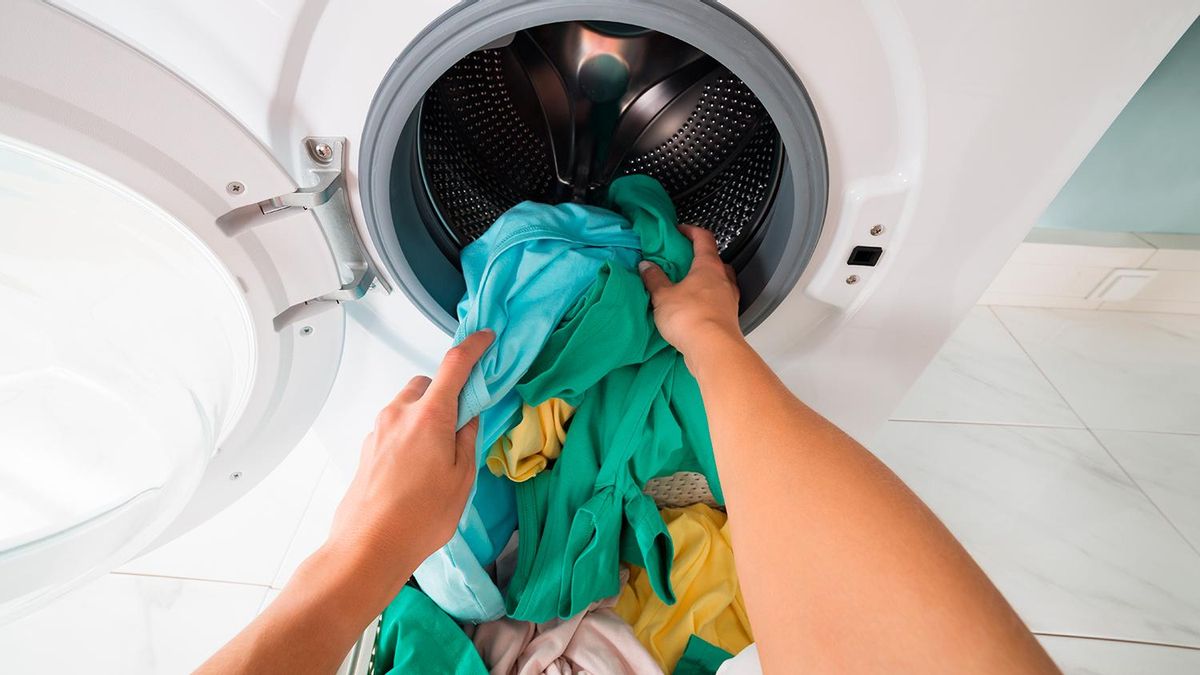
A washing machine filled to the brim can wash less effectively and increase friction between garments. Leave enough space for water, detergent, and clothes to move correctly inside the drum.
7. Drying: Best Air-Dried and in the Shade
The dryer is convenient, but high temperatures can promote shrinkage and the deterioration of some prints.
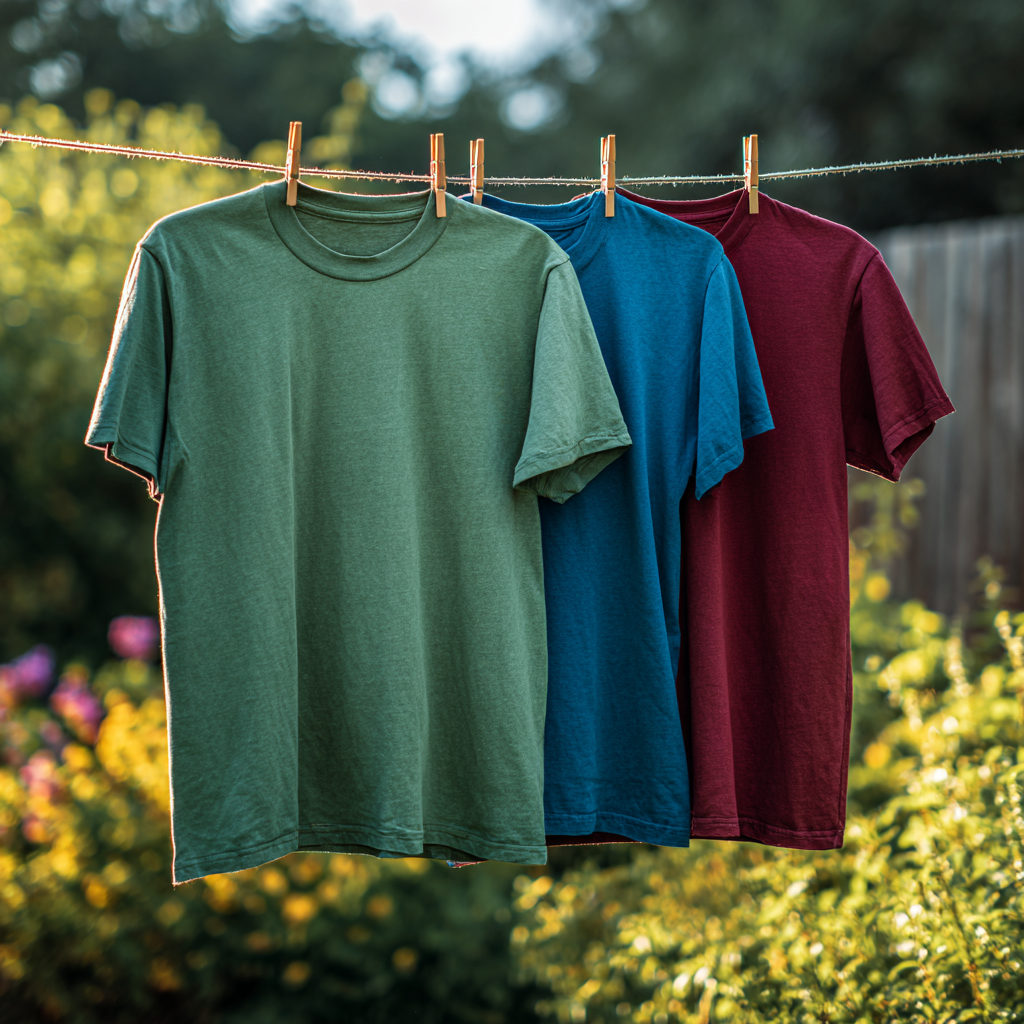
Air drying: whenever the label allows, this is one of the gentlest options for preserving your t-shirts.
In the shade: avoid prolonged exposure to direct sunlight, especially on dark or brightly colored garments, because it can cause color loss.
If you use a dryer: select a low temperature or a gentle program when the t-shirt's care instructions allow it.
8. Always Iron with Care
If your t-shirt needs ironing, check the temperature indicated on the label first.
When it has a printed design, it is recommended to iron the t-shirt inside out and avoid applying the iron directly onto the print.
If you need to work on that area, you can place a thin cloth between the iron and the garment to reduce direct contact with the design.
With these simple care steps, you will be able to preserve the shape, color, and prints of your t-shirts for longer.