

What are the 4 elements of hip hop? Rap, DJing, graffiti, and breakdancing
Jose Antonio Carravilla BlancoWhen we think of hip hop, it's easy to immediately imagine a rapper in front of a microphone. But rap and hip hop are not exactly the same thing.
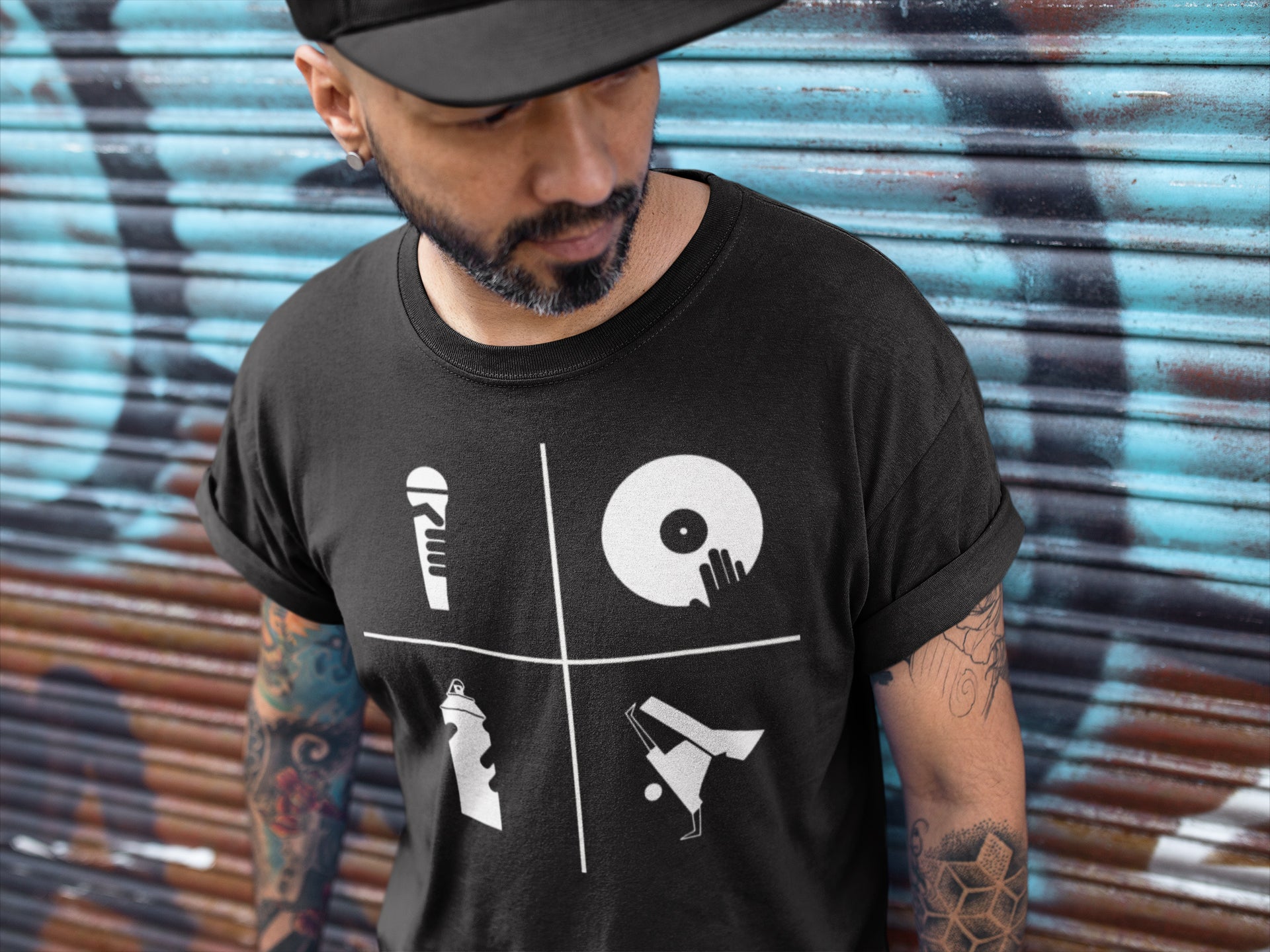
Rap is one of the forms of expression that is part of hip hop. Hip hop culture was born in New York during the 70s and is traditionally structured around four elements: DJing, MCing or rapping, breaking, and graffiti.
Music, word, dance, and visual art. Four different disciplines that grew up on the same streets and ended up forming one of the most influential urban cultures in the world.
What are the 4 elements of hip hop?
The four classic elements of hip hop are:
- DJing: creating and manipulating music using records and turntables.
- MCing: the use of words and rhyme over a musical base; it would evolve into what we mainly know today as rap.
- Breaking: the dance associated with the early years of hip hop culture.
- Graffiti: its artistic and visual expression in urban space.
Each element could exist independently, but together they helped build a culture with its own music, language, aesthetic, codes, and forms of expression.
Where was hip hop born?
To understand its elements, you have to travel to the Bronx in New York in the 70s.
In its neighborhoods, community parties began to be held in parks, streets, and buildings where DJs would connect large sound systems and play funk, soul, and other styles popular among young people.
One of the fundamental names was DJ Kool Herc.
A party held on August 11, 1973, at 1520 Sedgwick Avenue in the Bronx, organized by his sister Cindy Campbell and with Kool Herc as DJ, is commonly used as a symbolic date for the birth of hip hop.
However, hip hop did not appear suddenly that night. It was the result of different musical, cultural, and social influences that were already developing in the African American and Latino communities of New York.
The important thing about those parties is that DJs, MCs, dancers, and urban artists began to meet in the same space.
That is where our story begins.
1. DJing: the sound upon which hip hop was born
Before rap became the protagonist, the DJ occupied the center of the party.
Kool Herc observed that the audience reacted especially to the breaks: those instrumental parts of a song where the drums and the rhythm predominated.
Using two copies of a record and two turntables, he could move from one break to the next and extend the section that made the crowd dance for longer.
Based on this idea, DJs like Grandmaster Flash, Afrika Bambaataa, or Grand Wizzard Theodore developed new techniques with turntables and took DJing much further.
Procedures such as mixing between records and scratching appeared, making the turntable itself practically a musical instrument.
That is why the DJ should not be understood simply as someone who "plays music."
In hip hop culture, they select, mix, manipulate, and transform sounds to create something new.
2. MCing: from Master of Ceremonies to rap
While the DJ controlled the music, another figure began to gain prominence: the MC.
The initials come from Master of Ceremonies.
At the first parties, their role was relatively simple: introduce the DJ, encourage the audience, and maintain the energy through rhythmic phrases and calls.
Little by little, these interventions became longer and more complex.
Rhymes, wordplay, stories, improvisations, and verbal competitions appeared. From that development emerged rap as one of the main musical expressions of hip hop.
And here is one of the most frequent points of confusion.
Are rap and hip hop the same thing?
Not exactly.
Rap is a form of vocal expression based on rhythm, rhyme, and the word, while hip hop is a much broader culture that traditionally encompasses MCing, DJing, breaking, and graffiti.
Simply put: rap is part of hip hop, but hip hop is not limited to rap.
With the growth of the music industry, the MC gained more and more prominence until they became the most visible face of hip hop. That is why today it is common to use both terms as if they were synonyms, even though historically they do not mean exactly the same thing.
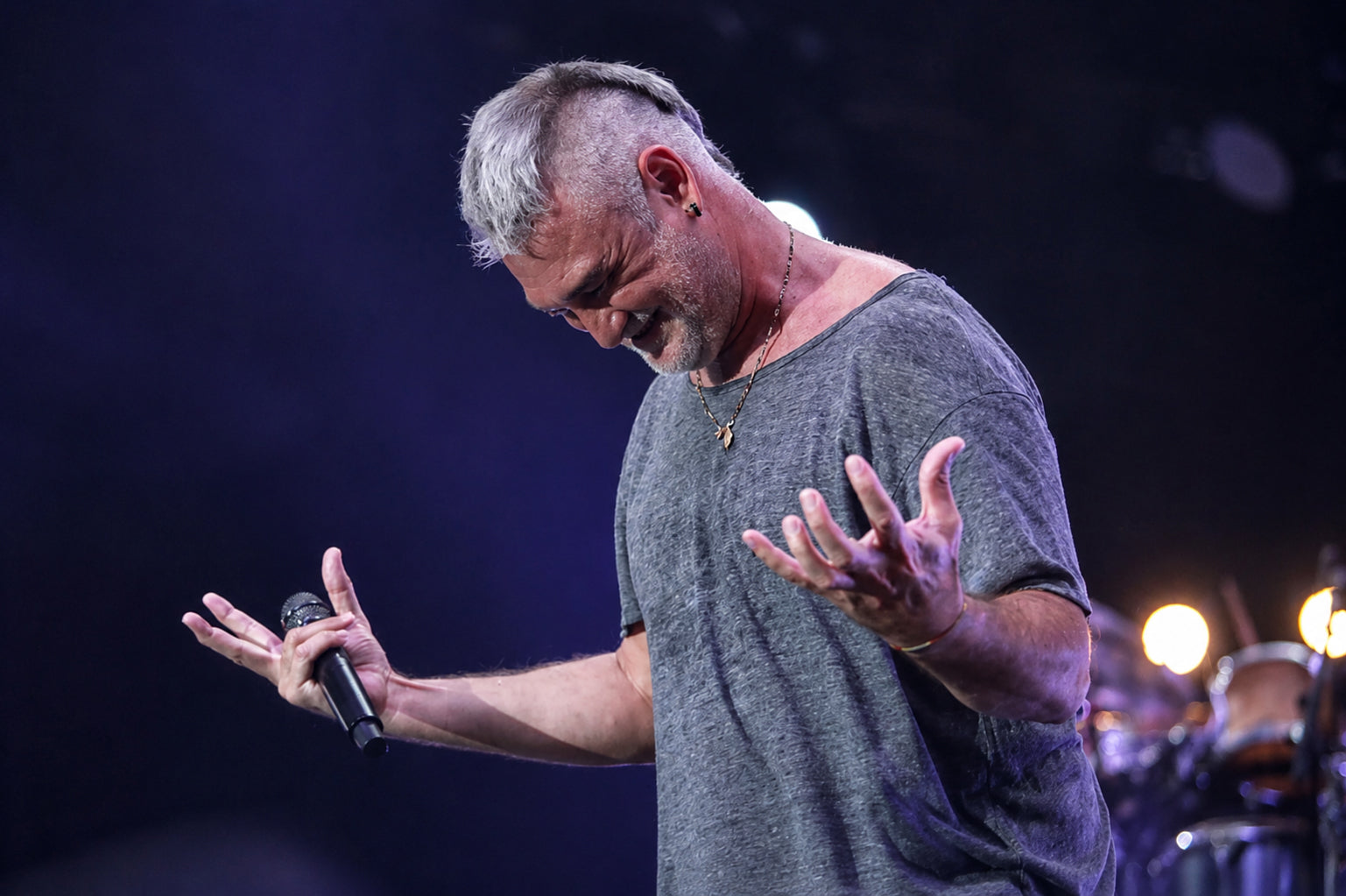
In Spain, we find great examples of this MC tradition. Kase.O is one of the most representative names in Spanish rap, especially for his mastery of rhyme, meter, language, and performance over a beat: precisely some of the skills that made the MC a central figure in hip hop culture.
3. Breaking: when rhythm became movement
If DJs were extending the breaks of songs, someone had to take advantage of them.
That is where the b-boys and b-girls appear.
Breaking developed a tremendously physical form of dance that combines standing moves, floor work, spins, freezes, and acrobatic moves.
Although the term breakdance is popularly used a lot, within the culture itself, the terms breaking, b-boying, and b-girling are common.
Battles also became a fundamental characteristic.
Two dancers or groups could face off, demonstrating technique, creativity, rhythm, personality, and improvisation skills.
What began in parties and urban spaces in the Bronx ended up spreading across the planet.
The dimension reached by this discipline became especially clear when breaking was included in the program for the Paris 2024 Olympic Games.
4. Graffiti: the visual expression of hip hop
Hip hop also needed an image.
Graffiti became its main visual expression.
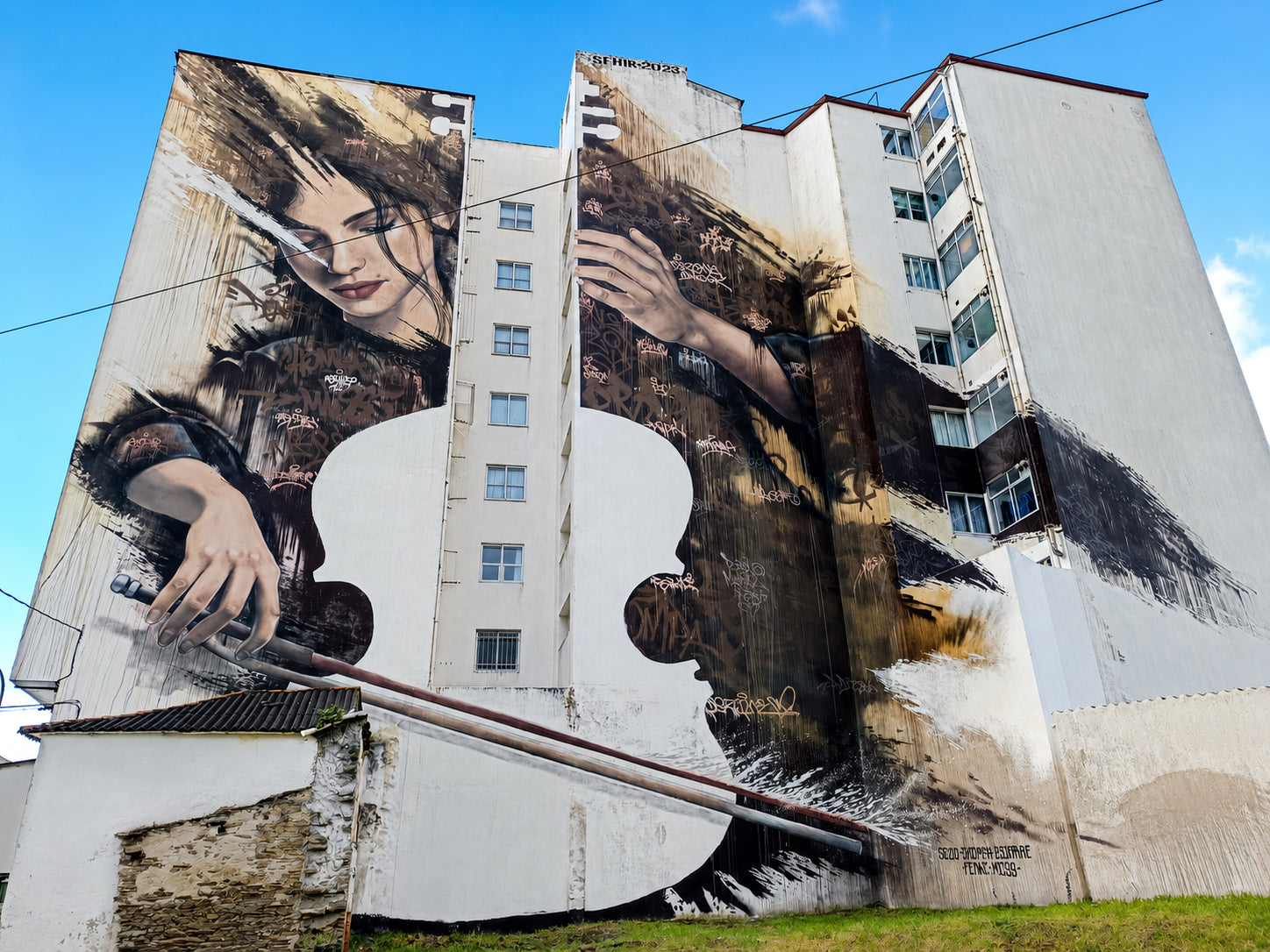
Writers began by using signatures or tags to leave their names in different places around New York. Over time, those signatures evolved into increasingly complex letters, characters, colors, and large compositions.
Walls and especially New York subway cars were transformed into huge surfaces on which to show the artists' work.
The goal could be relatively simple: to get your name to appear in as many places as possible and to have it recognized.
But from that competition emerged increasingly elaborate styles.
It is important to note that graffiti did not arise simply as a consequence of hip hop. Urban writing was already developing in New York and other cities. However, both worlds ended up closely related, and graffiti came to be considered one of the classic elements of hip hop culture.
How are the four elements related?
Imagine a Bronx party during the early years of this culture.
The DJ controls the turntables and extends the break of a song.
The MC takes the microphone and encourages the audience, improvising over the rhythm.
The b-boys and b-girls take advantage of that break to dance and compete.
Meanwhile, graffiti provides a visual identity to a generation that is beginning to develop its own urban language.
This combination explains why reducing hip hop solely to a musical genre leaves out a good part of its history.
Hip hop was born as a multidisciplinary culture.
Are there 4 or 5 elements of hip hop?
The four classic elements are DJing, MCing, breaking, and graffiti, and they are what are normally used to explain the foundations of the culture.
However, there is another very widespread idea: knowledge as the fifth element of hip hop.
This interpretation places the emphasis on knowing the history of the culture, understanding its context, and passing it on between generations.
There are also classifications that incorporate other elements such as beatboxing, fashion, language, or street knowledge.
That is why you can find references to five, nine, and even more elements depending on who is explaining hip hop.
But if someone asks you what its four traditional pillars are, the answer remains:
DJing + MCing + breaking + graffiti.
Which element appeared first?
It is not entirely correct to imagine the four elements being born simultaneously on a specific date.
Urban graffiti already had its own evolution, there were previous traditions of dance and word, and the DJs were progressively developing different techniques.
What is truly important is that during the 70s, these forms of expression began to relate within the same cultural scene.
The DJ played an especially important role in the first parties because they provided the rhythm around which MCs and dancers interacted.
Later, when rap recordings began to reach large audiences, the MC progressively moved to the forefront of the music industry.
From the Bronx to the rest of the world
What began as a local culture ended up becoming a global phenomenon.
Rap reached the hit lists. DJs moved from neighborhood parties to large stages. Graffiti entered galleries and museums. Breaking began to organize international competitions.
And the hip hop aesthetic also transformed fashion, design, photography, cinema, and popular culture.
Sneakers, caps, chains, sportswear, and graphic t-shirts became ways to visually represent a culture where identity had always been fundamental.
More than five decades later, its tools have changed, but the idea that existed behind those first parties remains perfectly recognizable:
creating something of your own using music, words, movement, and art.
The four elements in one sentence
If you want to remember them easily:
the DJ creates the rhythm, the MC provides the word, the b-boy or b-girl contributes the movement, and the graffiti provides the image.
Four different ways of expressing oneself that ended up building the same culture.
And that is probably one of the reasons why hip hop has managed to survive, transform, and spread for more than fifty years: it was never just music.
If this culture is also part of your style, you can discover our hip hop culture t-shirts at Siempre Original.